

Exploring the Power of Visual Storytelling in 3D Design
- Jul 21, 2025
- 4 min read
Visual storytelling has become an integral part of various industries, particularly in 3D design. It allows creators to convey messages, ideas, and concepts visually, engaging audiences like never before. In this blog post, we will explore the power of visual storytelling in 3D design, discussing its significance, applications, and tips for leveraging it effectively.
The Importance of 3D Design
3D design significantly enhances the way we perceive and interact with the world around us. It isn’t just about creating eye-catching images; it allows designers to present complex information in a more digestible format. For businesses, this means better engagement, clearer communication, and ultimately, higher conversion rates.
3D design plays a crucial role in various sectors such as gaming, architecture, marketing, and education. For example, in architecture, 3D visualizations provide clients with a realistic view of their projects before construction begins, enabling informed decision-making.
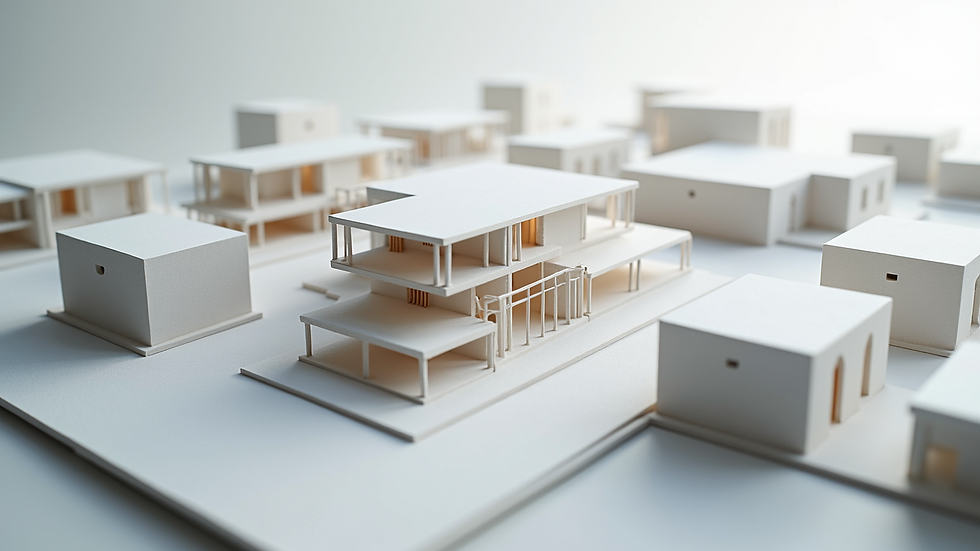
Furthermore, companies are increasingly relying on 3D design for their branding and marketing efforts. A striking 3D model can make a brand memorable. By using visually appealing graphics, companies can create an emotional response from their audience, driving engagement.
Utilizing 3D Design in Various Industries
Multiple industries are harnessing the power of 3D design to create impactful visual stories.
Architecture and Real Estate
In architecture, 3D design streamlines the planning process. Architects can create detailed renders and walkthroughs for clients, showcasing the project's look and feel before actual construction. This level of detail builds trust and helps manage client expectations.
In real estate, 3D visualizations can drastically reduce selling time by providing virtual tours to prospective buyers. Instead of visiting multiple properties, buyers can navigate through homes online. According to the National Association of Realtors, properties with 3D walkthroughs sell 31% faster than those without.

Education and Training
In the education sector, 3D visualization transforms traditional learning methods. For instance, medical students benefit significantly from 3D models of human anatomy. The ability to explore structures in a three-dimensional space enhances understanding and retention of complex material.
Training simulations in fields like aviation and medicine are also increasingly utilizing 3D models. These simulations prepare trainees for real-world scenarios in a controlled environment, improving learning outcomes.
Entertainment and Gaming
The entertainment industry, particularly gaming, has long embraced 3D design. Game developers use 3D models to create immersive worlds that captivate players. The storyline, combined with stunning visual graphics, creates engaging experiences. Animation studios also rely on 3D storytelling for films, blending graphics with narrative to produce compelling stories.

What is 3D visualization surgery?
3D visualization surgery refers to the utilization of 3D models and simulations in the medical field, enhancing surgical planning and execution. By providing surgeons with realistic models of patients' anatomy, these techniques allow for more precise and informed surgical procedures.
Surgeons can visualize complex anatomical relationships before entering the operating room, which improves outcomes. The ability to manipulate 3D models aids in understanding unique patient conditions and planning the best approach. According to a study published in the Journal of Surgical Education, surgical teams utilizing 3D visualization tools had a 15% decrease in surgical complications compared to traditional methods.
Strategies for Effective Visual Storytelling in 3D Design
Creating impactful visual stories through 3D design requires careful consideration and planning. Here are some strategies to enhance your visual storytelling:
1. Define Your Message
Before diving into design, take time to clarify what message you wish to convey. Whether you are marketing a product or explaining a concept, understanding your core message will guide your design choices.
2. Use High-Quality Visuals
Quality plays a significant role in 3D design. Invest in high-quality renderings and animations to create a professional appearance. Use the right tools and software to ensure your visuals are sharp and impactful.
3. Focus on the Details
Particulars can make a substantial difference in your design. Pay attention to textures, lighting, and colors. Creating a lifelike model can enhance realism and engage viewers.
4. Tell a Story
Every piece of 3D design should tell a story. Ensure your visuals have a clear sequence or narrative. This approach helps viewers connect emotionally and understand the message being communicated.
5. Leverage Platforms
Utilize various platforms to share your 3D designs. Social media, websites, and online portfolios are great avenues for showcasing your work. Engaging storytelling through these platforms helps reach a wider audience.
The Future of 3D Design and Visual Storytelling
The future of 3D design and visual storytelling holds exciting possibilities. With advancements in technology, the integration of virtual reality (VR) and augmented reality (AR) is becoming more prevalent. These technologies allow users to interact with 3D models in real-time, creating more immersive experiences.
Investing in tools that facilitate 3D visualization can give businesses a competitive edge. As more industries adopt these technologies, the demand for skilled 3D designers continues to grow. The ability to convey complex ideas engagingly and understandably is invaluable.
Embrace the Transition
For designers looking to enhance their skillset, embracing 3D design and visualization is crucial. Continuous learning and adapting to new trends will cultivate creativity and relevance in a rapidly evolving field.
In conclusion, the power of visual storytelling in 3D design cannot be underestimated. By integrating stunning visuals with compelling narratives, you can effectively engage your audience, promote your brand, and convey information clearly. As you embark on your 3D design journey, remember to focus on quality, detail, and storytelling to create impactful visual experiences.
As you explore the world of 3D design, consider the possibilities of 3D visualization to showcase your ideas and projects in a whole new light.


