

Exploring Innovative Immersive Marketing Strategies
- Oct 6, 2025
- 4 min read
In today’s fast-evolving digital landscape, businesses are constantly seeking new ways to captivate their audiences and create memorable brand interactions. Immersive marketing strategies have emerged as a powerful tool to engage customers on a deeper level. These strategies leverage cutting-edge technologies such as virtual reality (VR), augmented reality (AR), and artificial intelligence (AI) to craft experiences that go beyond traditional advertising. This article explores innovative immersive marketing strategies that can transform customer engagement, enhance training, and improve operational efficiency.
Understanding Immersive Marketing Strategies
Immersive marketing strategies involve creating interactive and engaging environments that allow customers to experience a brand in a multi-sensory way. Unlike conventional marketing, which often relies on passive consumption of information, immersive marketing invites active participation. This approach helps brands build stronger emotional connections and foster loyalty.
Some popular immersive marketing strategies include:
Virtual Reality (VR) Experiences: VR allows users to enter a fully digital environment. For example, a real estate company can offer virtual tours of properties, enabling potential buyers to explore homes without physically visiting them.
Augmented Reality (AR) Applications: AR overlays digital content onto the real world. Retailers can use AR to let customers try on clothes or preview furniture in their homes using smartphones.
Interactive Installations: Physical spaces equipped with interactive screens or sensors can engage visitors in unique ways, such as branded pop-up events or exhibitions.
AI-Powered Personalisation: AI can tailor marketing messages and experiences based on user behaviour and preferences, making interactions more relevant and impactful.
By integrating these technologies, businesses can create immersive experiences that captivate audiences and differentiate their brand in competitive markets.
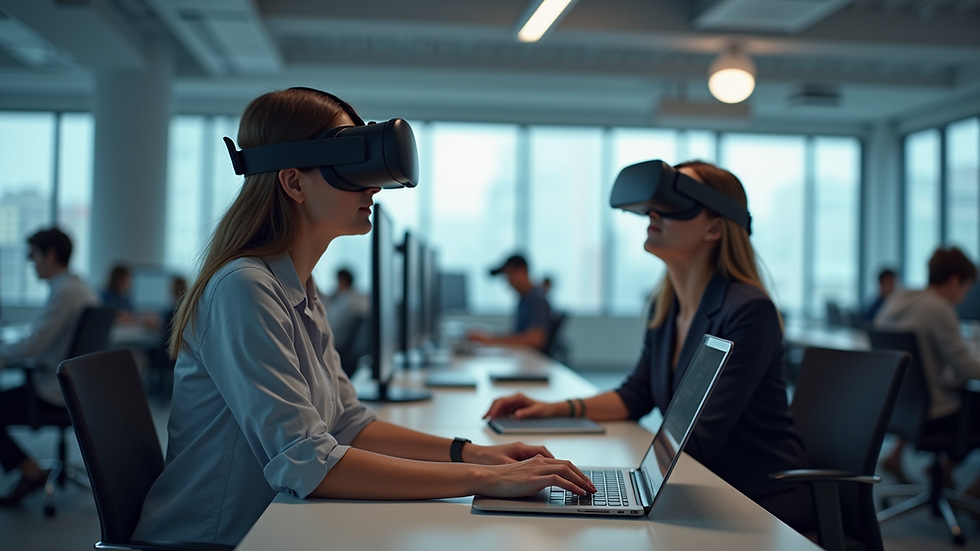
Immersive Marketing Strategies in Action
To better understand how immersive marketing strategies work, let’s explore some real-world examples and practical applications:
1. Virtual Reality for Training and Demonstrations
Companies in industries such as manufacturing, healthcare, and aviation are using VR to train employees in a safe, controlled environment. For instance, a manufacturing firm in Melbourne might use VR simulations to teach workers how to operate complex machinery without the risk of accidents. This method reduces training costs and improves knowledge retention.
2. Augmented Reality for Customer Engagement
Retailers in Sydney have embraced AR to enhance the shopping experience. Furniture stores allow customers to visualise how a sofa or table would look in their living room using AR apps. This reduces uncertainty and increases purchase confidence. Similarly, beauty brands offer virtual makeup try-ons, enabling customers to experiment with different looks before buying.
3. AI-Driven Personalisation
AI algorithms analyse customer data to deliver personalised content and offers. For example, an online fashion retailer can recommend outfits based on previous purchases and browsing history. This level of personalisation increases conversion rates and customer satisfaction.
4. Interactive Brand Experiences
Events and exhibitions can be transformed with interactive installations. A car manufacturer might set up a pop-up event where visitors can customise a vehicle using touchscreens and then experience a virtual test drive. These hands-on experiences create lasting impressions and encourage social sharing.
By combining these strategies, businesses can create a seamless journey that engages customers at every touchpoint.

What is the meaning of immersive activities?
Immersive activities refer to experiences that fully engage an individual’s senses and attention, often by creating a sense of presence within a virtual or augmented environment. These activities are designed to transport users beyond their immediate surroundings, allowing them to interact with digital content in a natural and intuitive way.
In marketing, immersive activities might include:
Virtual tours: Allowing customers to explore locations or products virtually.
Interactive games: Engaging users with branded content through gamification.
Simulations: Providing realistic scenarios for training or product demonstrations.
Mixed reality experiences: Combining physical and digital elements for a hybrid interaction.
The goal of immersive activities is to foster deeper emotional connections and improve engagement by making the experience memorable and impactful. This approach is particularly effective in industries where hands-on interaction or visualisation is critical to decision-making.

Practical Recommendations for Implementing Immersive Marketing
For businesses looking to adopt immersive marketing strategies, here are some actionable steps to consider:
Identify Clear Objectives: Define what you want to achieve with immersive marketing - whether it’s increasing brand awareness, improving customer engagement, or enhancing employee training.
Choose the Right Technology: Select VR, AR, AI, or a combination based on your goals and target audience preferences.
Create Relevant Content: Develop immersive content that aligns with your brand message and resonates with your audience.
Test and Iterate: Pilot your immersive campaigns with a small group to gather feedback and make improvements.
Integrate with Existing Channels: Ensure your immersive marketing efforts complement your broader marketing strategy for a cohesive brand experience.
Measure Impact: Use analytics to track engagement, conversion rates, and ROI to understand the effectiveness of your campaigns.
By following these steps, businesses can maximise the benefits of immersive marketing and stay ahead in a competitive marketplace.
Embracing the Future of Marketing with Immersive Experiences
The future of marketing lies in creating meaningful connections through innovative technologies. Businesses in Australia and New Zealand, especially in hubs like Melbourne and Sydney, are uniquely positioned to leverage immersive marketing strategies to stand out. Whether it’s through VR training modules, AR-enhanced shopping, or AI-driven personalisation, these approaches offer exciting opportunities to transform how brands interact with their customers.
For those interested in exploring more about immersive experiences and how they can be tailored to specific business needs, partnering with experts in the field is essential. These collaborations can help design and implement solutions that not only engage but also deliver measurable results.
Discover how immersive experiences can elevate your marketing efforts by learning more about immersive experiences.
By embracing these innovative strategies, businesses can create dynamic, engaging, and effective marketing campaigns that resonate with modern consumers and drive growth.


